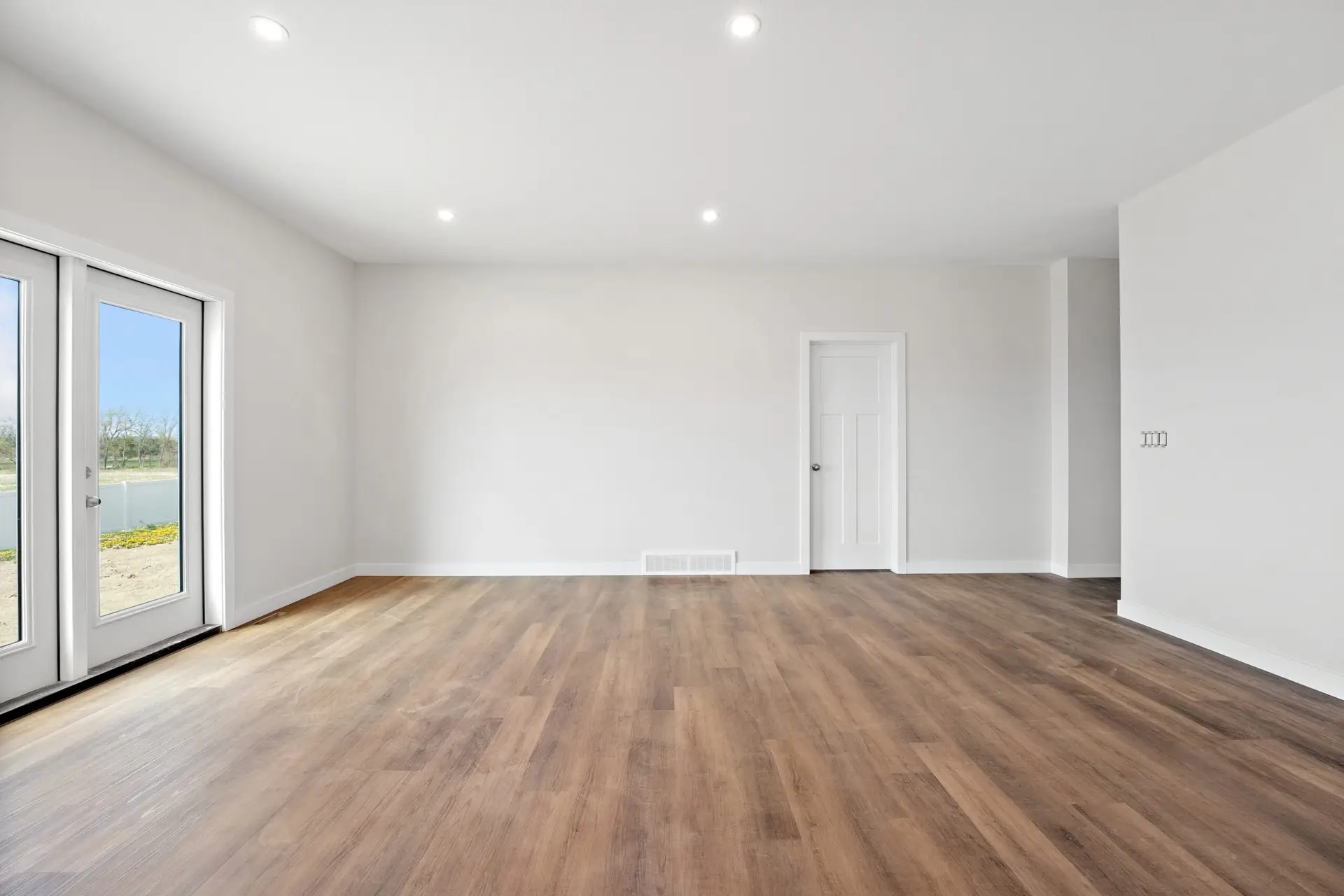
Home hardwood flooring adds timeless beauty and value to any property, but like all flooring materials, it requires proper maintenance and occasional repairs to maintain its appearance and functionality.
Recognizing the early warning signs that your hardwood floors need attention can save you from costly replacements and help preserve your investment for years to come. Explore our guide with signs your hardwood floors need repair.
Visual Signs of Hardwood Floor Damage
It can be easy to spot visual signs of hardwood floor damage if you know what to look for. Consider the following:
Scratches and Surface Wear
One of the most common indicators that your home hardwood flooring needs repair is the presence of scratches and surface wear. Light surface scratches are normal over time, especially in high-traffic areas, but deep gouges that penetrate the wood’s protective finish require immediate attention. These deeper scratches not only affect your floor’s appearance but also expose the wood to moisture damage.
Pet claws, furniture movement, and high heels are typical culprits behind scratch damage. If you notice that your floors look increasingly dull or show visible scratch patterns, it’s time to consider hardwood flooring repair options.
Gaps Between Floorboards
While minor seasonal gaps are normal due to humidity changes, large or persistent gaps between floorboards signal a problem. These gaps can collect dirt and debris, making your floors difficult to clean and potentially leading to more serious structural issues. Excessive gaps may indicate:
- Improper installation
- Extreme moisture fluctuations
- Age-related shrinkage
- Foundation settling
When gaps become wide enough to catch shoe heels or allow debris to fall through, hardwood repair professionals should evaluate the situation.
Discoloration and Water Stains
Water damage is one of the most serious threats to hardwood flooring. Dark spots, rings, or general discoloration often indicate water penetration beneath the surface. Common causes include:
- Spilled liquids left unattended
- Leaky pipes or appliances
- Humidity issues
- Roof leaks
Water stains not only create unsightly marks but can also lead to warping, cupping, and wood rot if left untreated. Early intervention with proper hardwood flooring repair can often salvage affected boards.
Structural Issues Requiring Immediate Attention
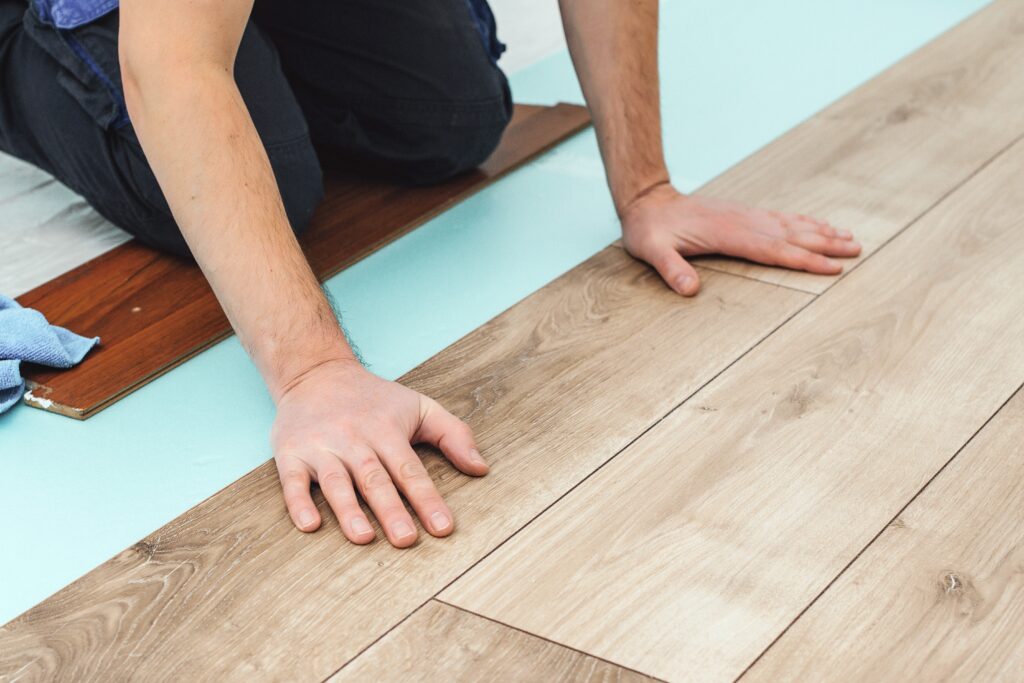
Beyond visual signs, there can also be structural issues with your hardwood flooring that will need immediate attention.
Warping and Cupping
Warping occurs when hardwood boards lose their flat shape, while cupping happens when the edges of boards rise higher than the center. Both conditions typically result from moisture imbalances and can make your floors uneven and potentially dangerous.
Warped or cupped boards create:
- Uneven walking surfaces
- Increased wear on specific areas
- Potential tripping hazards
- Difficulty in furniture placement
These structural issues require professional assessment and often need specialized hardwood repair services to address the underlying moisture problems and restore the floor’s integrity.
Squeaking and Creaking Sounds
While some minor floor sounds are normal in older homes, excessive squeaking or creaking when walking across your hardwood floors indicates loose boards or subflooring issues. These sounds often signal:
- Loose nails or fasteners
- Subflooring deterioration
- Improper installation
- Structural settling
Addressing squeaky floors early prevents further damage and maintains the structural integrity of your home hardwood flooring system.
Soft or Bouncy Spots
Areas of your floor that feel soft, spongy, or bouncy when walked on indicate serious structural problems. These symptoms often point to:
- Water damage to subflooring
- Rot or decay in structural elements
- Inadequate support systems
- Termite or pest damage
Soft spots require immediate professional evaluation, as they can pose safety risks and may indicate extensive damage requiring comprehensive hardwood repair services.
Professional Assessment vs. DIY Hardwood Repair Tips
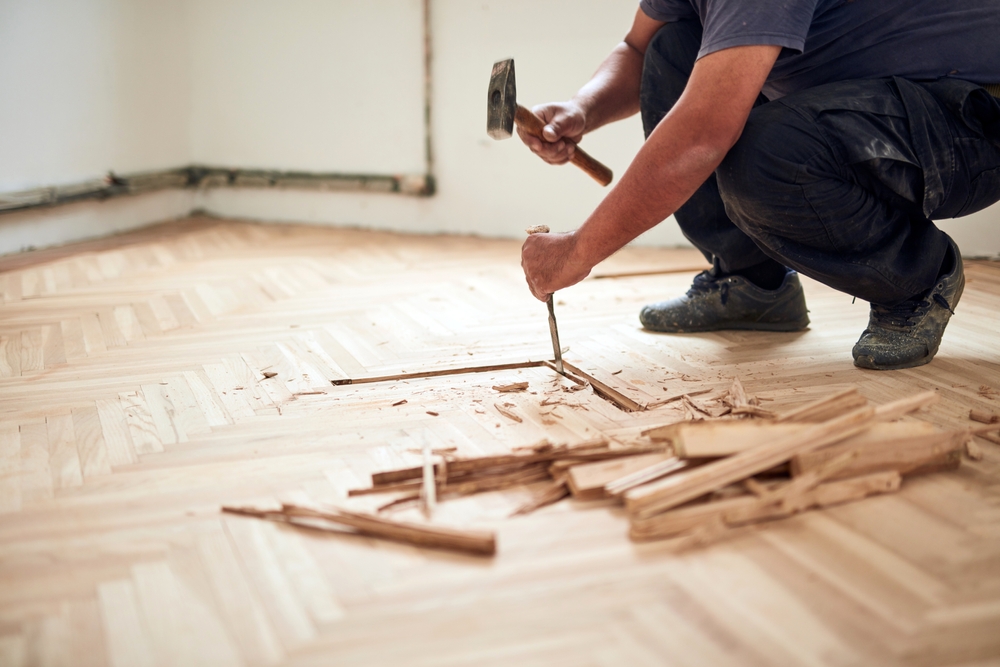
Some minor hardwood issues can be addressed with basic hardwood repair tips. Light surface scratches can often be buffed out with appropriate wood polish, while small gaps can be filled with wood filler and caulk. Minor squeaks might be resolved by securing loose boards
However, it’s crucial to understand your limitations and when professional intervention is necessary. Certain conditions require the expertise of professional hardwood flooring repair specialists, including:
- Multiple damaged boards requiring replacement
- Structural issues affecting large areas
- Water damage extending to subflooring
- Complex refinishing needs
- Recurring problems despite DIY attempts
Professional services have the tools, experience, and materials necessary to properly diagnose and repair complex hardwood flooring issues.
Preventive Hardwood Flooring Repair Tips
Implementing proper maintenance routines can prevent many common hardwood floor problems. Always consider:
- Cleaning spills immediately to prevent water stains
- Using protective pads under furniture legs
- Maintaining consistent humidity levels (30% to 50%)
- Regular sweeping and using appropriate cleaning products
- Professional refinishing every seven to ten years
Controlling your home’s environment also plays a crucial role in hardwood floor longevity. Use humidifiers during dry seasons, and ensure proper ventilation in moisture-prone areas. Additionally, address any plumbing leaks promptly, and install proper vapor barriers during installation.
Cost Considerations for Hardwood Repair
Understanding the financial aspects of hardwood flooring repair helps homeowners make informed decisions. Minor repairs like scratch removal or gap filling are relatively inexpensive, while extensive water damage or structural repairs can be costly. However, timely repairs are almost always more economical than full floor replacement.
Factors affecting repair costs include:
- Extent of damage
- Type of hardwood
- Age of the flooring
- Accessibility of damaged areas
- Local labor costs
Recognizing the signs that your home hardwood flooring needs repair is essential for maintaining both the beauty and value of your floors. From minor surface scratches to serious structural issues like warping or soft spots, early detection and appropriate action can save significant time and money.
While some basic hardwood repair tips can help with minor issues, don’t hesitate to contact professional hardwood repair services for a comprehensive assessment and repair. Regular maintenance, environmental controls, and prompt attention to problems will help ensure your hardwood floors remain beautiful and functional for decades to come.
Remember, your floors are a significant investment in your home’s value and comfort. By staying vigilant for these warning signs and acting promptly when issues arise, you’ll protect that investment and enjoy beautiful hardwood flooring for years to come.