
Hardwood flooring is one of the most valuable and beautiful investments you can make in your Kansas City home. However, after years of foot traffic, pet activity, and general wear, even the highest-quality hardwood floors will show signs of aging.
When your floors start looking worn, you’re faced with an important decision: should you refinish your existing floors or replace them entirely? This comprehensive guide will help you make the right choice for your home and budget.
Understanding the Difference Between Hardwood Refinishing vs. Replacement
Before diving into when to choose each option, it’s important to understand what hardwood refinishing and replacement actually involve.
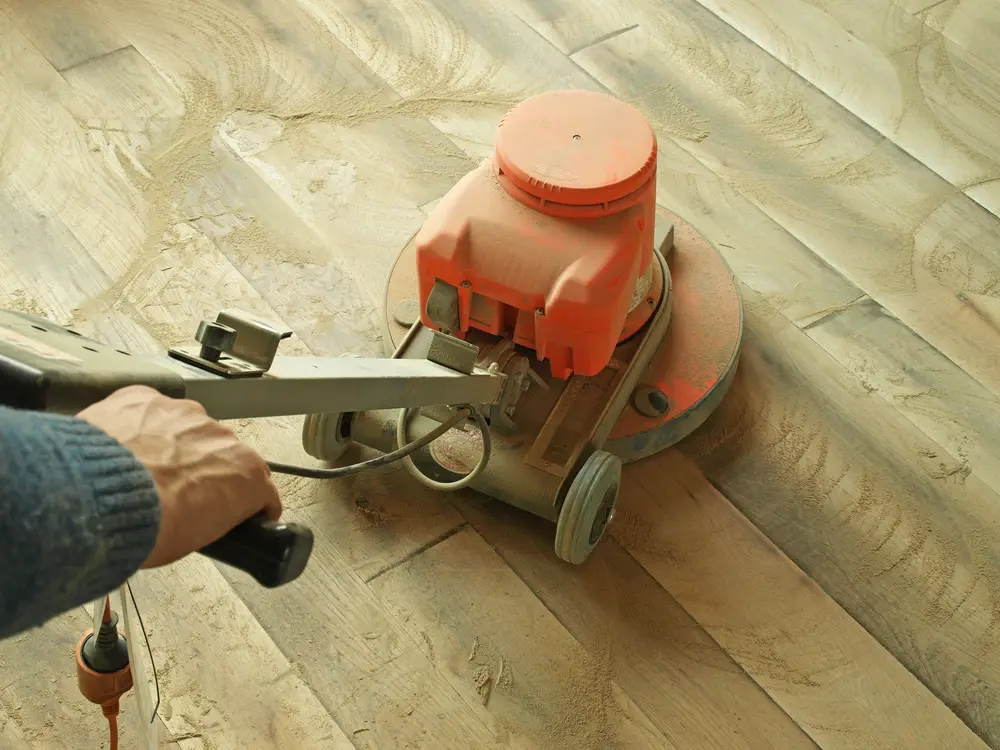
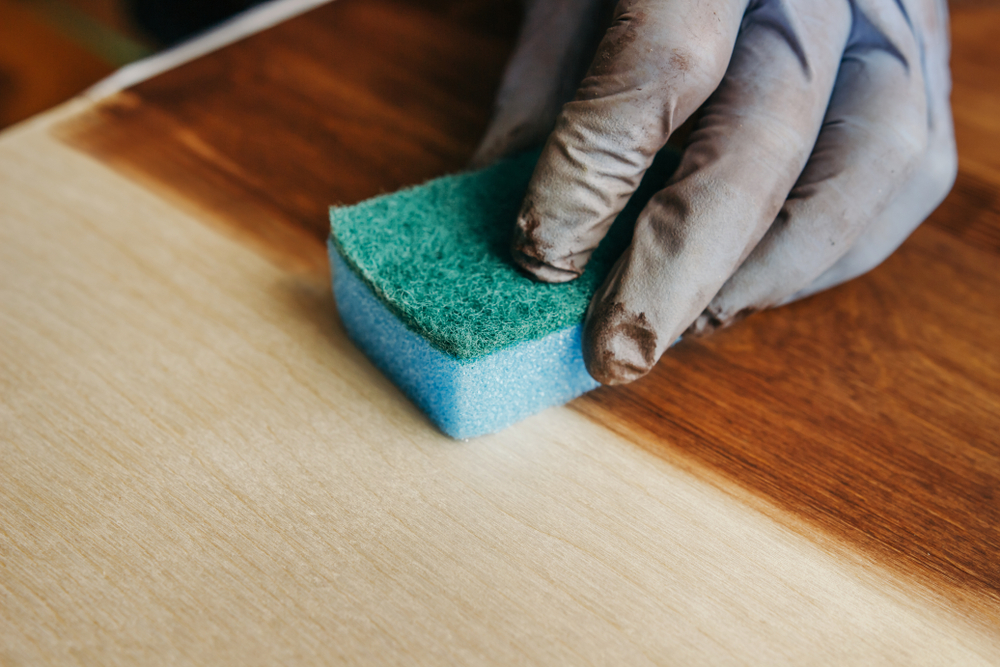
Hardwood refinishing involves sanding down the top layer of your existing hardwood flooring to remove scratches, stains, and wear patterns, then applying new stain and protective finish coats. This process essentially gives your floors a fresh, new appearance while preserving the original wood.
Hardwood flooring replacement involves completely removing your existing floors and installing entirely new hardwood planks. This is a more extensive process that requires more time, labor, and materials.
Signs That Your Hardwood Needs Refinished
Recognizing the early warning signs that your floors need attention can help you address issues before they become more serious problems requiring full replacement.
Surface-Level Issues
The most common signs that your hardwood needs refinished include the following:
- Light scratches and scuff marks that haven’t penetrated through the protective finish
- Dullness or loss of shine where the protective coating has worn away
- Minor water stains that haven’t soaked deep into the wood
- Fading from sunlight exposure that only affects the surface finish
- Small gaps between planks due to normal seasonal expansion and contraction
Wear Patterns and Traffic Areas
High-traffic areas often show the first signs of wear. If you notice worn pathways through your home, particularly in entryways, hallways, and around furniture, refinishing can restore these areas to match the rest of your floor.
When to Refinish vs. Replace Hardwood Flooring
The decision between refinishing and replacing depends on several key factors that every homeowner should consider.
Age and Previous Refinishing History
Most solid hardwood floors can be refinished three to five times throughout their lifetime, depending on the thickness of the wood planks. If your floors are relatively young or haven’t been refinished multiple times, refinishing is typically the better choice. However, if your floors have already been refinished several times, the wood may be too thin for another sanding.
Extent of Damage
The question of whether you should repair your hardwood largely depends on the severity of the damage.
You should choose refinishing when:
- Scratches are primarily surface-level
- Water damage is minimal and hasn’t caused warping
- The majority of planks are still structurally sound
- Gaps between planks are less than 1/8 inch wide
- Staining affects only the surface finish
You should consider full hardwood replacement when:
- Planks are cupping, crowning, or severely warped
- There’s extensive water damage or mold growth
- Large gaps exist between planks (more than 1/4 inch)
- Multiple planks are cracked, split, or damaged beyond repair
- The subfloor has sustained damage
Cost Considerations
Budget is often a primary concern when deciding between hardwood refinishing vs. replacement.
Hardwood refinishing typically costs significantly less than full replacement. The process involves sanding equipment, labor, and new stain and finish materials. Refinishing is also advantageous because there is minimal disruption to your daily routine, usually only three to five days.
Hardwood flooring replacement, on the other hand, will come with a larger expense. This is because complete replacement involves:
- Removal and disposal of existing floors
- New hardwood materials
- Installation labor
- Potential subfloor repairs
- Longer project timeline (often one to two weeks)
The cost difference can be substantial, with refinishing typically costing 25% to 50% less than full replacement.
Professional Assessment: Getting Expert Advice
The decision between hardwood refinishing vs. replacement isn’t always clear-cut. A professional flooring specialist can provide valuable insights by:
- Assessing the current condition of your floors
- Determining how many times they’ve been previously refinished
- Evaluating subfloor condition
- Providing accurate cost estimates for both options
- Recommending the best approach for your specific situation
The choice between refinishing and replacing your hardwood flooring depends on multiple factors specific to your situation. In many cases, hardwood refinishing offers an excellent way to restore beauty and extend the life of your floors at a fraction of the cost of replacement. However, when structural issues exist or floors have reached the end of their refinishing potential, replacement becomes the better investment.
For Kansas City area homeowners facing this decision, consulting with experienced flooring professionals can provide the guidance needed to make the right choice. Whether you choose refinishing or replacement, investing in your hardwood floors will enhance your home’s beauty and value for years to come.